Can I use a facial mask if I have eczema?
As a supplier in the facial mask industry, I often come across various inquiries from customers with different skin concerns. One question that frequently pops up is whether it’s safe to use a facial mask when suffering from eczema. This is a crucial query that requires a comprehensive and scientific answer, so let’s delve into the matter. Facial Mask
Eczema, also known as atopic dermatitis, is a common skin condition that causes the skin to become itchy, red, dry, and inflamed. It is a chronic condition that often flares up periodically. The skin of eczema sufferers is more sensitive than normal skin, with a weakened skin barrier function. The skin barrier is like a protective shield on the outermost layer of our skin, preventing moisture loss and keeping out harmful substances such as bacteria, allergens, and irritants. When this barrier is compromised, as in eczema, the skin becomes more vulnerable to external factors.
Now, the question is, can facial masks be part of a skincare routine for eczema – prone skin? The answer is not a simple yes or no; it depends on several factors.
1. Ingredients of the facial mask
The composition of a facial mask is paramount when considering its use for eczema – affected skin. Many conventional facial masks contain ingredients that can be potential irritants for eczema patients. For example, fragrances are a common culprit. Artificial fragrances are added to masks to give them a pleasant smell, but they can trigger allergic reactions and exacerbate eczema symptoms. Similarly, alcohol, which is often used as a preservative or to give a cooling sensation, can be extremely drying and irritating to sensitive eczema – prone skin.
On the other hand, there are facial masks formulated with gentle, soothing, and skin – repairing ingredients that can be beneficial for eczema sufferers. Ingredients like hyaluronic acid are excellent for hydrating the skin. Eczema – prone skin is often dry, and hyaluronic acid can help to lock in moisture, improving the skin’s texture and reducing dryness. Ceramides are another crucial ingredient. They are naturally occurring lipids in the skin that play a vital role in maintaining the skin barrier. Applying a facial mask with ceramides can help to repair the damaged skin barrier in eczema patients, providing long – term benefits.
2. Type of facial mask
There are different types of facial masks, including sheet masks, cream masks, clay masks, and hydrogel masks. Each type has its own characteristics and may have a different impact on eczema – prone skin.
Sheet masks are very popular due to their convenience. However, some sheet materials can be rough or cause friction on sensitive skin. Also, the additional chemicals used in the manufacturing process of the sheet may cause irritation. Cream masks are generally thicker and can provide a more occlusive layer. If they are formulated with gentle ingredients, they can help to lock in moisture and soothe the skin. Clay masks, on the other hand, are often used for their oil – absorbing properties. But for eczema – prone skin, which is usually dry, the drying effect of clay masks may be too harsh and can further irritate the skin. Hydrogel masks are known for their cooling and hydrating effects. They are often made of a soft, jelly – like material that can be gentle on the skin, making them a potential option for eczema sufferers if they are free of irritants.
3. Individual skin sensitivity
Even among eczema sufferers, the level of skin sensitivity can vary greatly. Some people have mild eczema, with only occasional flare – ups and relatively mild symptoms. Others may have severe eczema, with persistent inflammation, open sores, and intense itching. For those with mild eczema, they may be able to tolerate certain facial masks with careful selection. However, individuals with severe eczema should be extremely cautious and may need to avoid using facial masks altogether, especially during a flare – up.
Before using a facial mask, it is always advisable for eczema sufferers to perform a patch test. Apply a small amount of the mask on a small area of skin, such as behind the ear or on the inner wrist. Wait for 24 – 48 hours and observe for any signs of irritation, such as redness, itching, or swelling. If there is no adverse reaction, it may be relatively safe to use the mask on the face.
As a facial mask supplier, we understand the concerns of eczema sufferers. We have been working hard to develop a range of facial masks that are suitable for sensitive skin, including those with eczema. Our masks are carefully formulated with a focus on using only the purest and most gentle ingredients. We avoid using common irritants such as fragrances, alcohol, and parabens. Instead, we incorporate natural extracts and skin – friendly substances like aloe vera, which has anti – inflammatory properties, and shea butter, which is rich in vitamins and fatty acids that can nourish and soothe the skin.
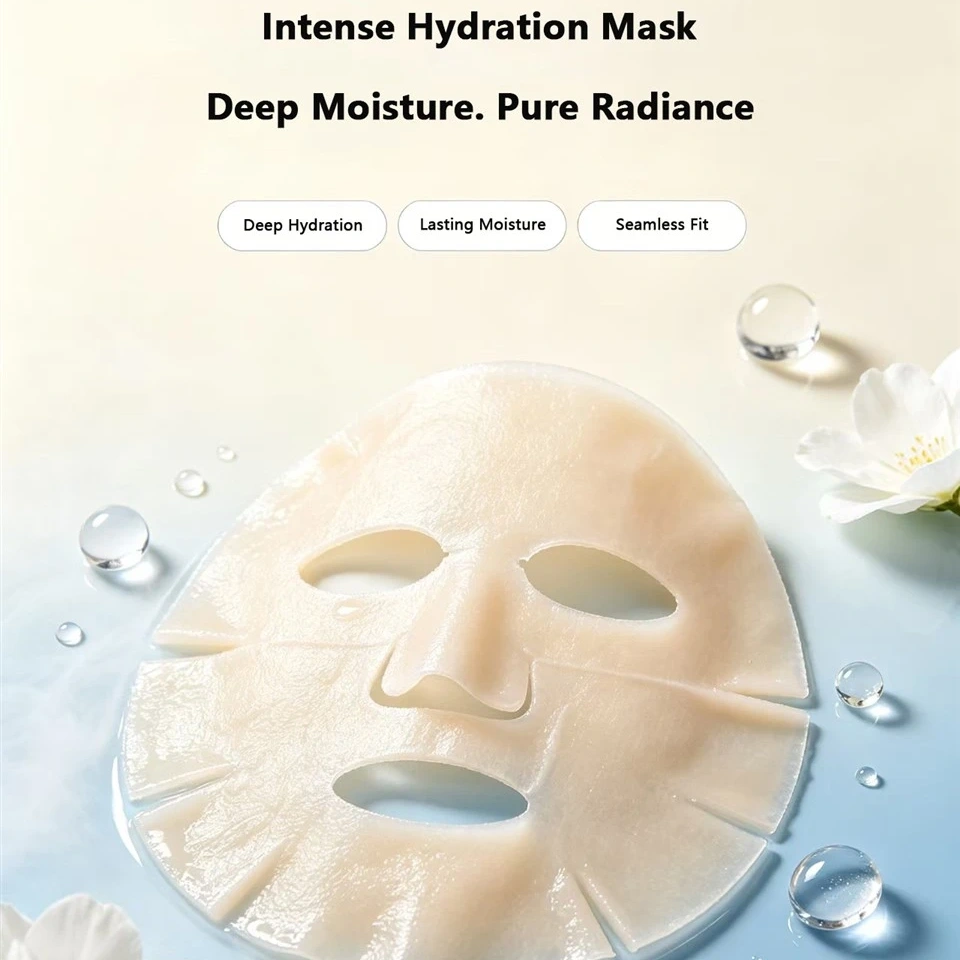
We believe that everyone deserves to have healthy and beautiful skin, even those with skin conditions like eczema. Our mission is to provide high – quality facial masks that not only meet the needs of daily skincare but also take into account the special needs of sensitive skin.
Fever Cooling Patch If you are an eczema sufferer considering trying a facial mask, or if you are a retailer looking for high – quality, skin – friendly facial masks for your customers, we invite you to contact us for procurement discussions. We can offer you detailed product information, samples for testing, and competitive pricing. Working with us, you can be assured of getting facial masks that are both effective and safe.
References
- Leung, D. Y. M., Bieber, T., Hamid, Q., & Silverberg, J. I. (2018). Atopic dermatitis. The Lancet, 391(10124), 1783 – 1796.
- Williams, H. C., Burney, P. G. J., Hay, R. J., & Strachan, D. P. (1999). The U.K. Working Party’s Diagnostic Criteria for Atopic Dermatitis. II. Observer Variability and Clinical Utility. British Journal of Dermatology, 140(3), 458 – 466.
- Taïeb, A., & Hanifin, J. M. (2001). Guidelines for treatment of atopic dermatitis. Pediatric Dermatology, 18(3), 212 – 219.
Anhui Meikangning Biotechnology Co., Ltd.
As one of the most professional facial mask manufacturers and suppliers in China, we’re featured by quality products and good price. We warmly welcome you to buy customized facial mask made in China here from our factory. If you have any enquiry about pricelist, please feel free to email us.
Address: Room 3-1, Building 7, Guojiaomei Industrial Park, Chengbei Town, Jin’an District, Lu’an City, Anhui Province, P.R.China
E-mail: M13957922968@163.com
WebSite: https://www.meikangningbio.com/
