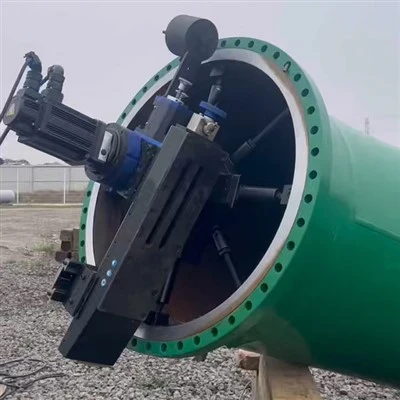
Hey there! I’m a supplier of portable milling machines, and today I wanna chat about the wear rate of cutting tools in these nifty machines. It’s a topic that’s super important for anyone using or thinking about getting a portable milling machine, so let’s dive right in. Portable Milling
What’s the Deal with Cutting Tool Wear?
First off, what exactly is the wear rate of cutting tools? Well, it’s basically how fast the cutting edge of a tool gets worn down during the milling process. You see, when a portable milling machine is working, the cutting tool is constantly in contact with the material it’s machining. This contact creates friction, heat, and mechanical stress, all of which contribute to the tool’s wear.
Think of it like your favorite pair of running shoes. The more you run in them, the more the soles wear down. It’s the same with cutting tools. The more they’re used, the more they wear. But unlike shoes, a worn – out cutting tool can have a big impact on the quality of your milling work.
Factors Affecting the Wear Rate
Material Being Machined
The type of material you’re milling plays a huge role in the wear rate of the cutting tool. Some materials are just tougher to cut than others. For example, if you’re milling a hard metal like stainless steel, the cutting tool has to work much harder compared to milling a softer material like aluminum. Stainless steel has a higher hardness and strength, which means the tool has to overcome more resistance, leading to faster wear.
Cutting Speed and Feed Rate
The speed at which the cutting tool rotates (cutting speed) and how fast it moves into the material (feed rate) are also crucial factors. If you set the cutting speed too high, the tool will generate a lot of heat. Excessive heat can cause the tool’s material to soften and wear out more quickly. On the other hand, if the feed rate is too high, the tool has to remove more material at once, putting more stress on the cutting edge and increasing wear.
Tool Material
The material of the cutting tool itself is a major determinant of its wear rate. Different tool materials have different properties. For instance, high – speed steel (HSS) is a common tool material. It’s relatively affordable and can handle a wide range of machining tasks. However, it has a lower heat resistance compared to carbide tools. Carbide tools are much harder and more heat – resistant, which means they can maintain their cutting edge for longer periods, even when machining tough materials at high speeds.
Coolant and Lubrication
Using coolant or lubricant during the milling process can significantly reduce the wear rate of the cutting tool. Coolant helps to dissipate the heat generated during cutting, preventing the tool from overheating. Lubricant, on the other hand, reduces friction between the tool and the material, making the cutting process smoother. Without proper coolant or lubrication, the tool will wear out much faster.
Measuring the Wear Rate
So, how do we measure the wear rate of cutting tools in a portable milling machine? Well, one common way is to measure the flank wear. The flank of the cutting tool is the side surface that comes into contact with the machined material. As the tool wears, the width of the flank wear land increases. You can use a microscope or a specialized tool to measure this width at regular intervals.
Another way is to monitor the cutting forces. As the tool wears, the cutting forces required to machine the material increase. By using a force sensor, you can detect these changes in cutting forces and get an idea of how much the tool has worn.
Why Does the Wear Rate Matter?
The wear rate of cutting tools is not just a technical detail; it has real – world implications for your milling operations.
Quality of Machined Parts
A worn – out cutting tool can lead to poor – quality machined parts. The surface finish of the part may be rough, and the dimensional accuracy may be off. This can be a big problem, especially if you’re making parts for precision applications.
Cost
Replacing cutting tools can be expensive. If the wear rate is high, you’ll have to replace the tools more frequently, which will increase your overall machining costs. On the other hand, if you can reduce the wear rate, you’ll save money in the long run.
Productivity
When a cutting tool is worn, it takes longer to machine a part because the cutting forces are higher, and the tool may not be able to cut as efficiently. This means lower productivity. By keeping the wear rate in check, you can ensure that your portable milling machine is running at its best and producing parts as quickly as possible.
Tips to Reduce the Wear Rate
Choose the Right Tool
As I mentioned earlier, the tool material is important. Make sure you choose a cutting tool that’s suitable for the material you’re machining. If you’re working with hard materials, consider using carbide tools. They may be more expensive upfront, but they’ll last longer and save you money in the long run.
Optimize Cutting Parameters
Experiment with different cutting speeds and feed rates to find the optimal settings for your specific application. You can start with the manufacturer’s recommended settings and then make adjustments based on your experience.
Use Coolant and Lubricant
Don’t skimp on coolant and lubricant. Make sure you’re using the right type and applying it correctly. This will help to reduce heat and friction, which in turn will reduce the wear rate of the cutting tool.
Regular Maintenance
Keep your portable milling machine and cutting tools clean and well – maintained. Check the tools regularly for signs of wear and replace them when necessary. Also, make sure the machine is properly calibrated to ensure accurate machining.
Wrapping It Up

So, there you have it! The wear rate of cutting tools in a portable milling machine is affected by a variety of factors, including the material being machined, cutting speed, feed rate, tool material, and coolant/lubrication. By understanding these factors and taking steps to reduce the wear rate, you can improve the quality of your machined parts, save money, and increase productivity.
Line Boring Accessories If you’re in the market for a portable milling machine or need more information about cutting tools and their wear rates, I’d love to have a chat with you. Whether you’re a small – scale hobbyist or a professional machinist, we’ve got the products and expertise to meet your needs. Reach out to us to start a conversation about your milling requirements.
References
- "Machining Handbook", Industrial Press Inc.
- "Cutting Tool Technology", Society of Manufacturing Engineers
Shangqiu JDA Machinery Technology Co., Ltd.
With abundant experience, we are one of the most professional portable milling manufacturers and suppliers in China. We warmly welcome you to buy cheap portable milling for sale here from our factory. Quality products and reasonable price are available.
Address: No. 55 Pingyuan Middle Road, Liangyuan District, Shangqiu, Henan, China
E-mail: sales@jdamachines.com
WebSite: https://www.jdamachines.com/
