Hey there! I’m a supplier of soil analysis instruments, and today I want to have a chat about whether these nifty gadgets have data storage functions. Soil Analysis Instruments
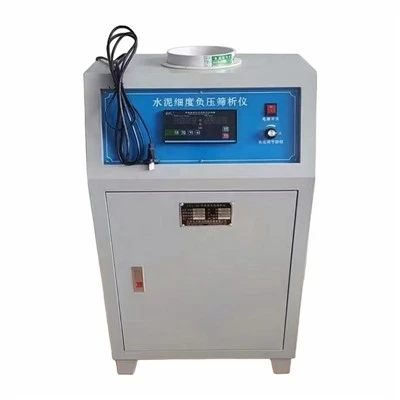
Let’s start by understanding why data storage in soil analysis instruments is actually a big deal. When you’re out in the field, taking measurements of soil nutrients, pH levels, moisture content, and all that good stuff, you’re gathering valuable information. And if you don’t have a way to store this data properly, well, it’s like collecting seashells on the beach and then just letting the tide wash them away.
Soil studies often involve long – term monitoring. Maybe you’re a farmer who wants to track the nutrient levels in your fields over the course of a growing season. Or perhaps you’re an environmental scientist studying the impact of pollution on a certain area of soil. In both cases, you need to access and analyze historical data to make informed decisions. That’s where data storage in these instruments comes into play.
Now, let me tell you, most modern soil analysis instruments do come equipped with data storage functions. This is a game – changer! Back in the day, you’d have to take notes on a clipboard while doing soil tests. It was time – consuming, and there was always a chance of human error. But with today’s technology, these instruments can store large amounts of data right on their internal memory.
Some of the simpler models might store a few hundred data points. These are usually basic soil testers that can measure one or two parameters, like soil moisture and pH. They’re perfect for small – scale gardeners or those just starting to learn about soil analysis. You can take multiple readings throughout your yard or a small plot of land, and the instrument will keep all that data safe until you’re ready to transfer it.
On the other hand, more advanced soil analysis instruments can store thousands or even tens of thousands of data points. These high – end machines are used by professional farmers, large – scale agricultural businesses, and scientific research institutions. They can measure a wide range of soil properties, from organic matter content to the presence of heavy metals. And with all that data stored, it’s easier to analyze trends over time and across different areas.
The data storage in these instruments comes in different forms. Some have built – in flash memory, which is fast and reliable. It can hold data even if the instrument loses power, so you don’t have to worry about losing your hard – earned information. Other instruments use SD cards. SD cards are great because you can easily remove them and transfer the data to your computer. You can also swap out the SD card with a larger one if you need more storage space.
But having data storage is just the first step. What good is the data if you can’t access and analyze it? That’s why many of our soil analysis instruments come with software that allows you to connect the instrument to your computer. Once connected, you can download the data and use the software to create detailed reports, graphs, and charts. This visual representation makes it super easy to understand the trends in your soil data.
For example, let’s say you’re a farmer and you’ve been using our soil analysis instrument to track the nitrogen levels in your fields. By downloading the data to your computer and using the software, you can see how the nitrogen levels change over time. Maybe you notice that the levels drop significantly after a heavy rain. This kind of insight can help you decide when and how much fertilizer to apply, which can save you money and improve your crop yields.
Another cool thing about the data storage in these instruments is that it allows for remote monitoring. Some of our advanced models come with Wi – Fi or Bluetooth capabilities. This means that you can connect the instrument to your smartphone or a cloud – based system. You can then access the data from anywhere, at any time. So, if you’re on vacation and you want to check the soil moisture levels in your greenhouse, you can just pull out your phone and take a look.
Of course, like any technology, there are some limitations. Sometimes, the internal memory of the instrument might get full. This isn’t a huge problem, though. You can either delete old data if it’s no longer needed or transfer the data to an external storage device. And in rare cases, there could be a software glitch that causes data loss. But our team is always working on improving the reliability of the software and providing regular updates to fix any issues that might arise.
In conclusion, if you’re in the market for a soil analysis instrument, data storage is definitely something you should consider. It can make your life a whole lot easier, especially if you’re doing long – term soil studies. Whether you’re a hobbyist gardener, a professional farmer, or a scientist, having access to stored soil data can help you make better decisions about your soil management.
If you’re interested in learning more about our soil analysis instruments and their data storage functions, or if you want to discuss a potential purchase, don’t hesitate to reach out. We’re here to help you find the perfect instrument for your needs.
Cement Testing Instrument References
- "Soil Analysis Handbook", published by a well – known soil science research group.
- Personal experiences and product knowledge from years of working as a soil analysis instrument supplier.
Hebei Wanluda Testing Instrument Equipment Co., Ltd.
As one of the most professional soil analysis instruments manufacturers and suppliers in China, we have world-leading production equipment and strong manufacturing capabilities. Please rest assured to buy advanced soil analysis instruments made in China here from our factory.
Address: Zhouguantun Village, Xian County, Cangzhou City, Hebei Province, P.R.China
E-mail: wldinstrument@163.com
WebSite: https://www.wldinstrument.com/
