If you’ve ever stood at a bustling highway rest stop, watched a line of cargo rumble past, or unloaded a package that arrived at your door on time, you’ve probably wondered: what exactly fits inside those metal boxes and flatbeds hauled by cargo trucks? As a third-generation cargo truck supplier, I’ve spent 18 years talking to small business owners, logistics managers, and fleet operators—people who need trucks tailored to their specific cargo, not the other way around. The answer isn’t one-size-fits-all, and if you’re in the market for a truck that’ll make your operations run smoothly, understanding the types of cargo each truck is built for is non-negotiable. Cargo Truck

Let’s start with the most common, and often most misunderstood, cargo: general dry freight. That’s the stuff that doesn’t need temperature control, special securing, or any fancy handling—think office supplies, consumer electronics, apparel, non-perishable food items like canned goods or cereal, and furniture that’s already wrapped and padded for transport. For 90% of the small businesses I work with, this is their bread and butter, and it’s why standard dry van trucks are the workhorses of our industry. These enclosed, metal-sided trailers keep cargo safe from rain, snow, road dust, and minor debris, which is perfect for goods that would get damaged or rendered useless by exposure. I once worked with a boutique clothing brand in rural Ohio that kept their first few years of inventory in used dry vans, and when they finally upgraded to custom new models from our lot, they told me the biggest difference was how their delicate silk blouses no longer came out with dust stains from poorly fitted used trailer seals. It’s the small, practical details that make all the difference here.
Next up: temperature-controlled cargo, often called “reefer” freight, and it’s a category that keeps the entire food and pharmaceutical supply chain moving. Reefer trucks aren’t just regular trailers with a tiny AC unit—they have sophisticated refrigeration systems that can maintain exact temperatures, ranging from -20°F for frozen meats and ice cream to 50–60°F for fresh produce, cut flowers, and certain vaccines. This type of cargo is where a wrong temperature reading can cost thousands of dollars in spoiled goods, so the trucks we supply for this market come with digital temperature monitors that send real-time alerts to both the driver and the fleet manager. Last year, I helped a regional grocery chain add 12 new reefers to their fleet when they expanded their organic local produce deliveries; they had been dealing with old reefers that would drift a few degrees in extreme summer heat, leading to 1–2% spoilage each week. With our new models, that dropped to less than 0.2%. It’s not just about keeping things cold—it’s about consistency, and that’s what makes reefer trucks worth the investment.
Then there’s oversize and heavy haul cargo, the stuff that can’t fit in a standard trailer because it’s too long, too tall, too wide, or too heavy. This is where flatbed, lowboy, and step-deck trucks come into play, and it’s a niche that I’ve specialized in since my dad started the business in 1992. Oversize cargo includes things like construction equipment (excavators, bulldozers, crane parts), prefabricated building components, wind turbine blades, industrial machinery, and even large boats or mobile homes. The key here is securing the load properly—flatbeds have tiedown points every few feet, and many of our models come with removable side rails or stake pockets to adjust to different cargo sizes. Lowboy trailers, which have a lower deck height, are ideal for extra-heavy loads like construction cranes because they keep the center of gravity low, making the truck safer to drive even when carrying 80,000 pounds or more. I still remember the first big oversize haul we did back in 2005: a set of 80-foot wind turbine blades being delivered to a farm in western Iowa. We had to get state permits, escort vehicles, and plan the route weeks in advance— and the right lowboy truck made all the difference in getting that delicate, massive load to its destination without a scratch.
Liquid and bulk cargo is another category that demands specialized trucks, and this is where we’ve built a reputation for durable, leak-proof models. Liquid cargo can be anything from milk, juice, and water to chemicals, fuel, and even food-grade liquids like cooking oil. Tanker trailers for liquids come in different types: food-grade stainless steel tanks for consumables, carbon steel for non-food chemicals, and even insulated tanks for liquids that need to stay at a specific temperature, like hot asphalt or wine. Bulk dry cargo, on the other hand, is loose, non-packaged goods like grain, sand, gravel, cement, or plastic pellets, and those usually move in hopper-bottom trailers that make unloading quick and easy— the bottom of the trailer opens, and gravity or a vacuum sucks out the cargo without requiring the driver to unload manually. A farm equipment dealer I work with in central Illinois uses our bulk hopper trailers to move corn and soybeans from local farms to processing plants every fall; they used to use regular dry vans that required workers to shovel out leftover grain, which was time-consuming and led to cross-contamination between crops. Our hopper trailers cut their unloading time in half and eliminated that mess entirely.
Hazardous materials (hazmat) cargo is the most regulated and specialized category of all, and it’s something we take extremely seriously as a supplier. Hazmat includes anything flammable (gasoline, propane, ethanol), toxic (certain chemicals), corrosive (acids), or explosive (fertilizer, fireworks). These trucks have to meet strict federal and state regulations: they’re marked with placards that identify the type of hazmat, they have reinforced tanks that are less likely to rupture in an accident, and drivers are required to have specialized training. I’ve seen too many mistakes in this industry where a company cut corners on hazmat trucks and ended up with costly fines or safety issues, which is why we only supply hazmat trailers that are built to the latest FMCSA (Federal Motor Carrier Safety Administration) standards. Last year, we worked with a chemical logistics company that had an old hazmat trailer that wasn’t up to 2020 safety updates; they upgraded to two of our new models, and the peace of mind for both their drivers and their clients was worth every penny. It’s not just about selling a truck—it’s about keeping everyone safe on the road.
Specialized cargo, the catch-all for unique, one-of-a-kind loads, is another space where we go beyond the standard offerings. This includes things like perishable flowers that need constant airflow, luxury cars that need a enclosed car hauler to prevent scratches or dents, fragile artwork or museum artifacts that require climate control and shock absorption, and even livestock for agricultural operations. Livestock trucks, for example, have to have proper ventilation, non-slip flooring, and enough space to prevent overcrowding— we’ve supplied these to family-owned cattle ranches in Texas and dairy farms in Wisconsin, and they tell us that a well-built livestock truck reduces stress on the animals, which in turn keeps their product quality higher. For luxury auto transport, our enclosed car haulers have soft interior walls and load ramps that are gentle on wheels, which is a must when moving $100,000+ cars to dealerships or car shows.
Now, I know what you’re thinking: “With all these options, how do I pick the right truck for my business?” That’s exactly why I don’t just sell trucks— I spend time talking to you about your specific cargo, how much you’ll be hauling, where you’re going, and your budget. Too many suppliers push one-size-fits-all models that aren’t built for your needs, but after 18 years in this business, I’ve learned that the best truck for you is the one that fits your cargo like a glove. Whether you’re a small local bakery moving flour (which is bulk dry cargo, by the way) or a large logistics company moving temperature-sensitive vaccines across the country, there’s a truck built for that.
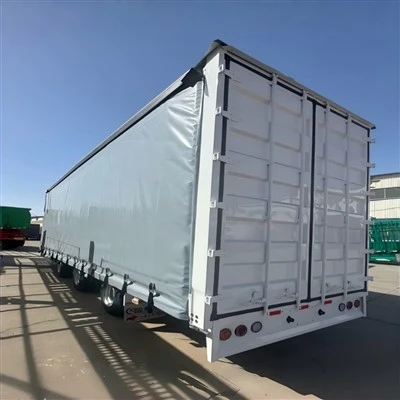
At the end of the day, cargo trucks are the backbone of the global economy. Every product you buy, every meal you eat, every tool you use has been moved at least once by a cargo truck. As a supplier, my job isn’t just to sell a piece of equipment—it’s to make sure that equipment works for you, so you can run your business smoothly, keep your cargo safe, and deliver on your promises. If you’re looking to upgrade your fleet, add a new truck, or just have questions about which type of cargo truck is right for your specific needs, I’m here to help. Whether you’re a first-time buyer or a seasoned fleet manager, don’t settle for a truck that doesn’t fit your cargo. Reach out to my team and me to start a conversation about your needs, and we’ll help you find the perfect truck for your business.
Construction Machinery References
- Federal Motor Carrier Safety Administration (FMCSA). (2023). Cargo Securement Regulations for Commercial Motor Vehicles. Retrieved from agency records
- American Trucking Associations (ATA). (2022). Temperature-Controlled Freight Industry Report. Retrieved from industry archival data
- National Institute for Occupational Safety and Health (NIOSH). (2021). Hazardous Materials Transportation Safety Guidelines for Commercial Vehicles. Retrieved from public safety reports
- U.S. Department of Agriculture (USDA). (2023). Bulk Agricultural Cargo Transport Best Practices. Retrieved from agricultural logistics records
Jining Dafu Machinery Sales Co., Ltd.
As one of the most professional cargo truck suppliers in China, we’re featured by quality products and low price. Please rest assured to wholesale bulk cheap cargo truck from our factory. We also accept customized orders.
Address: Room 1-115, Building 7, Luxinan Auto Parts City, Qiantongdian Village, Quanpu Town, Liangshan County, Jining City, Shandong Province
E-mail: jiningdafu@163.com
WebSite: https://www.dafumachinery.com/
