Hey there! As a supplier of stone grinding discs, I often get asked about the difference between soft and hard stone grinding discs. So, I thought I’d take a few minutes to break it down for you. Stone Grinding Disc
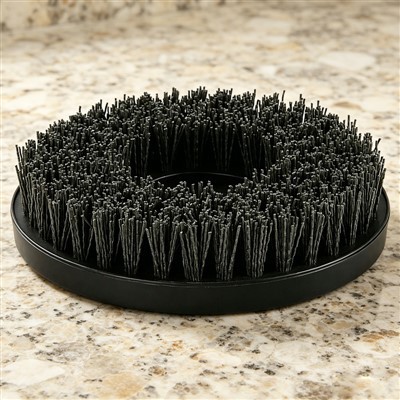
Let’s start with the basics. A grinding disc, as you probably know, is a tool used for grinding, cutting, and polishing stones. The key difference between soft and hard grinding discs lies in the bond that holds the abrasive grains together.
What Makes a Grinding Disc “Soft” or “Hard”?
The hardness of a grinding disc is determined by the bond strength. A soft grinding disc has a weaker bond, which means the abrasive grains are more likely to break free and be replaced with new ones during the grinding process. On the other hand, a hard grinding disc has a stronger bond, keeping the abrasive grains in place for a longer time.
Performance on Different Stone Types
One of the most significant differences between soft and hard grinding discs is their performance on various stone materials.
Soft Grinding Discs
Soft grinding discs are excellent for working on hard stones like granite. The reason is that the weaker bond allows the abrasive grains to release more easily as they wear down. When you’re grinding a hard stone, the pressure applied is relatively high. With a soft disc, the worn – out grains break away and expose fresh, sharp ones. This self – sharpening feature ensures consistent performance and a smooth grinding process. It also helps prevent overheating of the stone, which can cause discoloration or damage.
For example, if you’re working on a granite countertop, a soft grinding disc will glide over the surface, gradually removing material without creating excessive heat. The result is a nice, even finish that looks great.
Hard Grinding Discs
Hard grinding discs, on the contrary, are better suited for softer stones such as marble or limestone. Since these stones are less resistant, a hard disc with a strong bond can maintain its shape and structure during the grinding process. The abrasive grains stay in place and can effectively abrade the softer stone without being prematurely dislodged. If you use a soft disc on a soft stone, it might wear out too quickly because there isn’t enough resistance from the stone to break the bond and expose new grains.
Let’s say you’re restoring an old marble statue. A hard grinding disc will give you more control and precision, allowing you to carefully shape and polish the delicate marble surface without causing unnecessary damage.
Durability and Cost
Another aspect to consider is the durability and cost of soft and hard grinding discs.
Soft Grinding Discs
Soft grinding discs generally have a shorter lifespan compared to hard ones. Because the bond is weaker, the abrasive grains are constantly being replaced. This means that you’ll need to replace soft discs more frequently, especially if you’re doing a large – scale grinding project. However, they are often more affordable upfront. So, if you’re on a tight budget and don’t mind changing discs regularly, soft grinding discs can be a good option.
Hard Grinding Discs
Hard grinding discs are more durable. The strong bond means that the abrasive grains stay intact for a longer period, so you won’t have to replace them as often. Although they are usually more expensive initially, in the long run, they can be more cost – effective, especially for professional stonemasons who do a lot of grinding work.
Finish Quality
The finish quality also varies between soft and hard grinding discs.
Soft Grinding Discs
Soft grinding discs tend to produce a smoother finish. The constant replacement of abrasive grains ensures a more uniform grinding action. This is ideal for applications where a high – quality finish is required, like the final polishing of a stone surface. For instance, if you’re preparing a stone floor for sealing, a soft grinding disc can give it that nice, glossy look.
Hard Grinding Discs
Hard grinding discs may leave a slightly rougher finish. However, they are great for the initial stages of grinding when you need to remove a large amount of material quickly. After using a hard disc, you can follow up with a soft disc to achieve the desired smooth finish.
Heat Generation
Heat is an important factor when it comes to stone grinding.
Soft Grinding Discs
Soft grinding discs generate less heat. As mentioned earlier, the self – sharpening feature prevents the disc from overloading and thus reduces heat build – up. This is crucial because excessive heat can cause thermal shock to the stone, leading to cracks or other damage.
Hard Grinding Discs
Hard grinding discs can generate more heat, especially when used on hard stones. The strong bond holds the grains in place, and if the speed and pressure are not properly controlled, the friction can cause the stone to heat up rapidly. That’s why it’s important to use proper cooling methods when using hard grinding discs on hard materials.
Choosing the Right Disc for Your Project
So, how do you choose between a soft and a hard grinding disc? Well, it all depends on your project.
- Stone Type: As we’ve discussed, use soft discs for hard stones and hard discs for soft stones.
- Project Scale: If it’s a small – scale project and you don’t mind changing discs often, a soft disc might be okay. For large – scale projects, a hard disc is usually a better investment.
- Finish Requirements: If you need a super – smooth finish, start with a hard disc for rough grinding and then switch to a soft disc for the final polish.
Conclusion
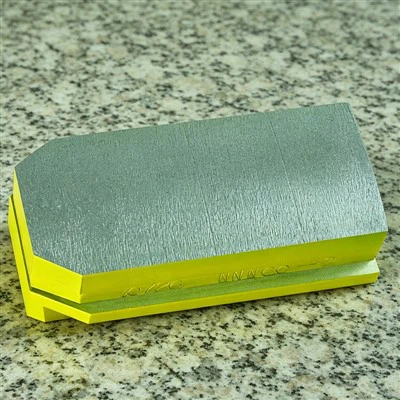
In conclusion, both soft and hard stone grinding discs have their own advantages and are suitable for different applications. Understanding the differences between them can help you make the right choice for your stone – working projects. Whether you’re a DIY enthusiast or a professional stonemason, having the right grinding disc can make a huge difference in the quality and efficiency of your work.
Resin Fickert Abrasive If you’re in the market for stone grinding discs and want to discuss which type is best for your specific needs, I’d love to have a chat with you. Reach out to me to start a procurement discussion, and let’s find the perfect grinding solution for your project.
References
- Smith, J. (2020). Stone Working Handbook. Publisher: StoneCraft Press
- Johnson, A. (2019). Abrasive Tools Guide. Publisher: ToolTech Publishers
Quanzhou Cheefung New Materials Co., Ltd.
As one of the most experienced stone grinding disc enterprises in China, we are able to meet the needs of the majority of our customers. Please feel free to wholesale advanced stone grinding disc made in China here from our factory. For price consultation, contact us.
Address: Jinshan Community, Licheng District, Quanzhou City, Fujian, China
E-mail: info@prostonetools.com
WebSite: https://www.prostonetools.com/
