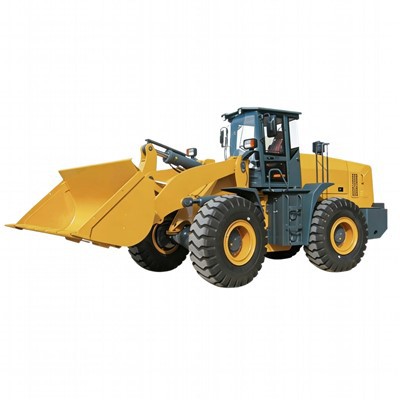
Regular oil changes are a crucial aspect of maintaining large excavators. As a supplier of these heavy – duty machines, I’ve witnessed firsthand the impact that proper oil maintenance can have on the performance, longevity, and overall operational cost of large excavators. This blog will delve into how often the oil should be changed in a large excavator, taking into account various factors that influence this critical maintenance interval. Large Excavator
Understanding the Role of Oil in a Large Excavator
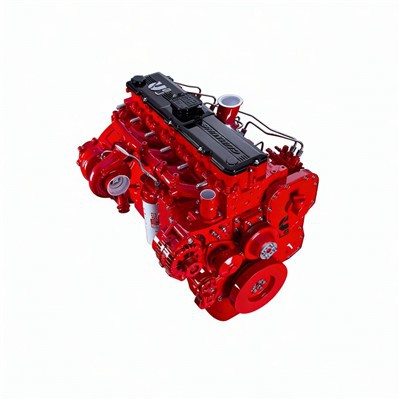
Before discussing the oil change frequency, it’s important to understand why oil is so vital for large excavators. The engine oil in an excavator lubricates moving parts, reducing friction and wear. This helps prevent premature failure of engine components such as pistons, cylinders, and bearings. Additionally, oil helps to cool the engine by dissipating heat generated during operation. It also acts as a cleaning agent, carrying away dirt, debris, and combustion by – products from the engine.
Hydraulic oil, on the other hand, is essential for the excavator’s hydraulic system. It transfers power within the hydraulic cylinders, allowing the boom, arm, and bucket to move smoothly. The hydraulic oil also lubricates the internal components of the hydraulic system and helps to seal clearances to prevent leaks.
Factors Affecting Oil Change Intervals
1. Manufacturer’s Recommendations
The first and most important factor in determining oil change intervals is the manufacturer’s guidelines. Each large excavator model is designed with specific engine and hydraulic system requirements, and the manufacturers conduct extensive testing to establish the ideal oil change frequencies. These recommendations are usually based on normal operating conditions, which include factors such as temperature, load, and the type of work being performed.
For example, some manufacturers may recommend changing the engine oil every 250 – 500 hours of operation for their standard excavator models. Hydraulic oil change intervals can range from 1000 to 2000 hours, depending on the model and the quality of the oil used. It’s crucial to follow these guidelines as closely as possible to ensure the warranty remains valid and to avoid potential damage to the machine.
2. Operating Conditions
The actual operating conditions of the large excavator can significantly affect oil change intervals. If an excavator is working in harsh environments, such as extreme heat, cold, dust, or high – humidity areas, the oil may degrade more quickly.
- Extreme Temperatures: In hot climates, the oil can thin out, reducing its ability to lubricate effectively. In cold climates, the oil may thicken, making it difficult to flow through the engine or hydraulic system. In both cases, the oil’s performance is compromised, and more frequent oil changes may be necessary.
- Dusty Environments: When an excavator operates in dusty areas, dust particles can enter the engine or hydraulic system, contaminating the oil. These particles act as abrasives, accelerating wear and tear on the components. As a result, the oil may need to be changed more often to prevent damage.
- Heavy Loads and Intense Use: If an excavator is constantly working under heavy loads or performing high – intensity tasks, such as continuous digging or lifting of heavy materials, the oil will experience more stress. This can lead to faster oxidation and breakdown of the oil, necessitating shorter oil change intervals.
3. Oil Quality
The quality of the oil used in a large excavator also plays a significant role in determining the oil change frequency. High – quality oils are formulated with better additives that can resist oxidation, reduce wear, and keep the engine or hydraulic system clean for longer periods.
Synthetic oils, for example, generally have better performance characteristics compared to conventional mineral oils. They can withstand higher temperatures, provide better lubrication, and have a longer service life. Using a high – quality synthetic oil may allow for longer oil change intervals, but it’s still important to consider the other factors mentioned above.
Engine Oil Change Intervals
As mentioned earlier, engine oil change intervals typically range from 250 to 500 hours of operation under normal conditions. However, in harsh operating environments, this interval may need to be reduced.
For instance, if an excavator is working in a desert area with high temperatures and a lot of dust, the engine oil may need to be changed every 150 – 200 hours. On the other hand, if the excavator is used in a relatively clean and moderate – temperature environment with light – load operations, it may be possible to extend the oil change interval up to 500 – 600 hours, but only if the manufacturer’s guidelines permit.
It’s essential to check the engine oil level frequently, at least daily or before each shift. A low oil level can lead to insufficient lubrication, causing overheating and engine damage. Regularly inspecting the oil’s appearance and consistency can also provide clues about its condition. If the oil appears dark, gritty, or has a milky color (which may indicate water contamination), it’s a sign that the oil needs to be changed immediately.
Hydraulic Oil Change Intervals
Hydraulic oil change intervals are generally longer than engine oil change intervals, typically ranging from 1000 to 2000 hours of operation under normal conditions. Similar to engine oil, harsh operating conditions can shorten this interval.
In dusty or dirty environments, the hydraulic oil can become contaminated with dirt and debris, which can cause damage to the hydraulic components. In such cases, the hydraulic oil may need to be changed every 800 – 1000 hours. If the excavator is used in a cold climate, the hydraulic oil may need to be changed more frequently to ensure proper viscosity and performance.
Regular maintenance of the hydraulic system, including checking the oil level, filter condition, and for any signs of leaks, is crucial. A clogged hydraulic filter can cause the oil to bypass the filter, allowing contaminants to circulate in the system. Therefore, it’s important to replace the hydraulic filters at the recommended intervals, which can also help extend the life of the hydraulic oil.
The Consequences of Not Changing Oil on Time
Failing to change the oil in a large excavator at the appropriate intervals can have serious consequences.
- Engine Failure: Old or contaminated engine oil can lead to increased friction, overheating, and wear of engine components. This can result in reduced engine performance, loss of power, and eventually, engine failure. Repairing or replacing an engine is extremely costly and can cause significant downtime for the excavator.
- Hydraulic System Malfunctions: Contaminated hydraulic oil can cause damage to the hydraulic pumps, valves, and cylinders. This can lead to reduced hydraulic power, slow operation of the boom, arm, and bucket, and even hydraulic system leaks. Fixing hydraulic system issues can be time – consuming and expensive.
- Increased Operating Costs: Using old or degraded oil can lead to decreased fuel efficiency, as the engine or hydraulic system has to work harder to perform the same tasks. Additionally, the cost of repairing damaged components due to improper oil maintenance far outweighs the cost of regular oil changes.
Conclusion
Determining how often to change the oil in a large excavator is a complex decision that depends on multiple factors, including the manufacturer’s recommendations, operating conditions, and oil quality. As a large excavator supplier, I strongly recommend that operators and owners of these machines follow the manufacturer’s guidelines closely and adjust the oil change intervals based on the actual operating conditions.
Regular oil changes are a small investment that can save a significant amount of money in the long run by preventing costly repairs and downtime. By taking proper care of the oil in your large excavator, you can ensure its optimal performance, longevity, and reliability.
Excavator If you’re in the market for a large excavator or need more information on excavator maintenance, I encourage you to reach out to us for a detailed discussion. Our team of experts is ready to assist you in making the right choices for your construction or mining operations.
References
- Caterpillar Inc. "Maintenance Manuals for Large Excavators."
- Komatsu Ltd. "Hydraulic and Engine Oil Recommendations for Excavator Models."
- Hitachi Construction Machinery Co., Ltd. "Best Practices for Oil Maintenance in Large – Scale Excavators."
China Machinery International Trading Co., Ltd.
China Machinery International Trading Co., Ltd. is one of the most experienced large excavator manufacturers and suppliers in China. We warmly welcome you to buy cheap large excavator made in China here from our factory. Quality products and reasonable price are available.
Address: Room 233, 2nd Floor, Building 16A, No. 1, Shuguang Xili Jia, Chaoyang District, Beijing
E-mail: Info@tajhzg.com
WebSite: https://www.cnmachinery-global.com/
