Hey there! As a supplier in the sheet metal machining industry, I’m often asked about the differences between laser cutting and plasma cutting. These two cutting methods are widely used, but they’ve got their own unique features. So, let’s dive in and see what sets them apart. Sheet Metal Machining

How They Work
First off, let’s talk about how these two cutting techniques operate. Laser cutting is a super – precise method. It uses a high – intensity laser beam that’s focused on the sheet metal. When this laser beam hits the metal, it heats it up to an extremely high temperature, melting or vaporizing the metal in an instant. The laser beam is directed by a computer – controlled system, which moves the beam along the desired cutting path. It’s like a high – tech scalpel for sheet metal.
On the other hand, plasma cutting works by creating a plasma arc. A gas, like oxygen, nitrogen, or argon, is forced through a small nozzle at high speed. An electrical arc is then introduced into this gas stream. This electrical energy turns the gas into plasma, which is a super – hot, electrically conductive ionized gas. The plasma has temperatures that can reach up to 30,000 degrees Fahrenheit. When the plasma touches the sheet metal, it melts and blows away the metal, creating the cut.
Precision
When it comes to precision, laser cutting is the clear winner. The laser beam is incredibly narrow, which allows it to make very fine cuts. We can achieve cuts with a tolerance as low as ±0.1 mm. This level of precision is perfect for when you need to create intricate designs, small parts, or high – quality components. For example, in the aerospace industry, where every millimeter matters, laser cutting is the go – to choice for making parts like brackets and panels.
Plasma cutting, while it can cut thick metals effectively, isn’t as precise. The plasma arc is wider than a laser beam, and it can cause some slag to form on the edges of the cut. The tolerance for plasma cutting is usually in the range of ±0.5 mm to ±1 mm. It’s great for rough – cut jobs or when you’re working with larger pieces where a high degree of precision isn’t necessary. Like in the construction industry, when cutting large steel plates for building structures, plasma cutting gets the job done quickly.
Cutting Thickness and Material Compatibility
Another important factor is the thickness of the sheet metal they can cut. Laser cutting is very good with thin to medium – thickness metals. It can typically cut metals up to about 25 mm thick, depending on the type of metal. It works well with a variety of metals, including stainless steel, aluminum, and mild steel. However, as the thickness of the metal increases, the cutting speed of the laser decreases significantly, and it becomes less efficient.
Plasma cutting, though, is a beast when it comes to cutting thick metals. It can easily cut through metals that are 100 mm thick or even more. This makes it a great option for heavy – duty applications, like in the shipbuilding or heavy machinery industries. Plasma cutting is also compatible with a wide range of conductive metals. But it doesn’t work so well with non – conductive materials like wood or plastic.
Cutting Speed
Cutting speed is crucial, especially when you’ve got a large volume of work. Laser cutting is really fast for thin metals. For example, when cutting a 1 mm thick stainless steel sheet, a laser cutter can zip through at a high speed, making it possible to complete a large number of cuts in a short time. But as the metal gets thicker, the cutting speed slows down.
Plasma cutting has a more consistent cutting speed across different thicknesses, especially for medium to thick metals. It can cut through a thick steel plate at a relatively fast pace compared to laser cutting at the same thickness. However, for very thin metals, laser cutting usually beats plasma cutting in terms of speed.
Cost
Cost is always a consideration. The initial investment for a laser cutting machine is quite high. These machines are complex and require high – tech components, which drive up the price. On top of that, the operating costs can also be significant. The laser needs a lot of power to operate, and the maintenance of the laser source and optics can be expensive.
Plasma cutting machines are generally more affordable to buy. They’re less complex than laser cutters, so the upfront cost is lower. The operating costs are also relatively lower. The gases used in plasma cutting are cheaper than the power consumption of a laser cutter. However, if you’re doing a lot of high – precision, small – scale work, the lower – quality cuts from plasma cutting might end up costing you more in post – processing to achieve the desired finish.
Edge Quality
The quality of the cut edge is important for the final product. Laser cutting produces high – quality edges. The cuts are clean, with minimal heat – affected zones. This means that the metal around the cut retains its original properties, and there’s very little distortion. The edges are smooth and don’t require much post – processing, which saves time and money.
Plasma cutting edges can have a rough finish, especially if the cutting parameters aren’t set correctly. There can be slag on the edges, and the heat – affected zone is larger compared to laser cutting. This might require some additional grinding or finishing work to get the edges to the desired quality.
Applications
The differences in precision, cutting speed, and cost also determine the applications of these two cutting methods. Laser cutting is commonly used in industries where precision is of the essence, like electronics, jewelry making, and automotive manufacturing. In the electronics industry, it’s used to cut small, intricate parts with high accuracy.
Plasma cutting is more prevalent in industries where large – scale, thick – metal cutting is required, such as construction, shipbuilding, and heavy equipment manufacturing. It’s also used for cutting scrap metal and in metal recycling operations.
So, Which One Should You Choose?
It really depends on your specific needs. If you need high – precision cuts, are working with thin to medium – thickness metals, and can afford the higher initial and operating costs, laser cutting is the way to go. But if you’re dealing with thick metals, need a fast cutting method for large – scale projects, and are on a tighter budget, plasma cutting is a better option.
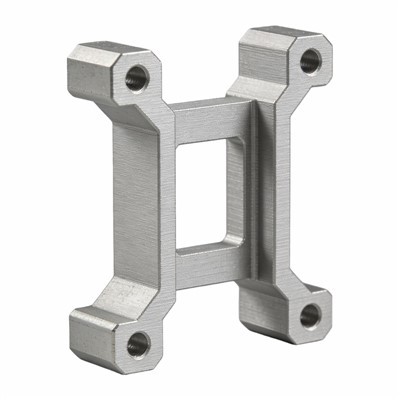
As a sheet metal machining supplier, we’ve got the expertise and the equipment to handle both laser cutting and plasma cutting jobs. Whether you need a high – precision component for a high – tech project or a large steel plate for a construction job, we can help. We understand that every project is unique, and we’ll work with you to determine the best cutting method for your specific requirements.
CNC Machining Service If you’re in the market for sheet metal machining services, we’d love to have a chat with you. We can offer you a quote based on your project details and help you make an informed decision about which cutting method is right for you. Don’t hesitate to reach out to us to discuss your needs and start a great partnership.
References
- "Modern Metal Fabrication Technology" – A comprehensive guide on metal cutting methods and their applications.
- Industry reports on sheet metal machining trends and technologies.
Shenzhen Jingcheng Dingyi Forming Technology Co., Ltd.
Shenzhen Jingcheng Dingyi Forming Technology Co., Ltd. is one of the most professional sheet metal machining manufacturers and suppliers in China, also supports customized service with low price. Please feel free to buy bulk cheap sheet metal machining from our factory. For quotation, contact us now.
Address: 1st Floor, Building 3, Huafeng Zhenbao Industrial Park, No.137 Shihuan Road, ShiYan Town, Bao’An District, ShenZhen, PRC
E-mail: 13071475061@163.com
WebSite: https://www.jctop-cnc.com/
