If you’ve ever dug into the world of matte lip products—whether you’re a formulator, a brand founder, or someone who’s spent hours testing transfer-proof lipsticks—you’ve likely stumbled on lip mud semi-finished materials. For me, as a supplier of these semi-finished bases, the most common question I get isn’t about pigment load or transfer resistance (though those matter a lot); it’s this: Are there antioxidants in lip mud semi-finished material? Lip Mud Semi-Finished Material
I get it. Antioxidants are big right now, not just in skincare but in color cosmetics, where they’re pitched as a way to protect the skin barrier, prevent color degradation, and even reduce environmental stress on the lips. But when it comes to semi-finished bases, there’s a lot of confusion. Some people think antioxidants are an extra, add-on step. Others assume they’re already part of the formula, but only in tiny, meaningless amounts. After 8 years working with lip mud bases—testing formulas, troubleshooting stability issues, and walking clients through every ingredient on the spec sheet—I’m here to break this down, no marketing fluff, no jargon that makes your eyes glaze over. Let’s start with what lip mud semi-finished material even is, because you can’t talk about its ingredients without first understanding its core purpose.
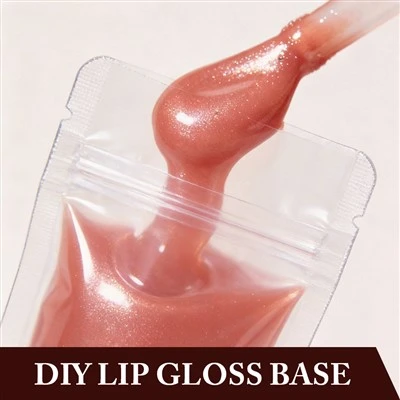
Lip mud semi-finished material is the blank canvas that brands turn into the matte, velvety lip muddles you see on shelves. It’s not a finished product. It’s the concentrated mix of waxes, oils, pigments, and thickeners that we supply to cosmetic manufacturers, who then add preservatives, fragrances, or special actives to create their final lip mud lipstick or gloss. The formula is built for two things first: texture and stability. It has to glide on the lips, leave that soft, powdery matte finish that doesn’t crack after four hours, and stay consistent for years on the shelf—no separating, no fading, no weird texture changes. That’s why the ingredient list is curated, not random.
Now, antioxidants. In cosmetics, antioxidants are ingredients that fight oxidation— the chemical reaction that happens when oils or pigments break down over time. For lip products, oxidation is the enemy: it makes color fade, changes the texture from soft matte to dry and chalky, and can even cause irritation if the broken-down ingredients react with the skin. Antioxidants prevent that. But here’s the thing: not all antioxidants are created equal, and not all are necessary in every semi-finished base. Let’s split this into two parts: which antioxidants we intentionally add to our lip mud semi-finished materials, and which might end up there accidentally, and why that matters for your brand.
First, the intentional antioxidants. These are ingredients we put in on purpose, for specific functional and performance reasons. Let’s start with the most common ones used in lip bases: tocopheryl acetate (vitamin E), ascorbyl palmitate (a fat-soluble form of vitamin C), and rosemary extract. Let’s talk about why these make sense for lip mud semi-finished materials.
Lip mud bases have a high amount of plant-based oils—things like jojoba oil, sunflower oil, and castor oil—that are core to the soft, emollient texture. But those oils are prone to oxidation. If we didn’t add antioxidants, the base would go rancid in 12 to 18 months, way before the shelf life a brand needs (usually 2-3 years). Tocopheryl acetate is perfect here because it’s stable, doesn’t change the color or scent of the base, and works quietly in the background to slow oxidation. We typically add 0.1 to 0.5% of it, which is the industry standard for color cosmetics—enough to make a difference, not so much that it adds any aftertaste or feels greasy on the lips.
Then there’s rosemary extract. A lot of our clients are focused on clean beauty, so they ask for preservatives and antioxidants that are plant-derived, not synthetic. Rosemary extract is a game-changer here. It has natural antioxidant properties, and unlike some other plant extracts, it doesn’t add a strong herbaceous scent that would compete with the lip mud’s flavor or fragrance. We use a standardized rosemary extract that’s guaranteed to have enough carnosic acid— the active compound that fights oxidation—to be effective. For our clean-formula semi-finished bases, that’s the antioxidant we reach for first, often paired with a tiny bit of tocopheryl acetate to boost stability even more.
Ascorbyl palmitate is less common, but it shows up in some of our semi-finished bases that have bright, vivid pigments. Pigments, especially the red and orange ones, are prone to fading when exposed to oxygen and light. Ascorbyl palmitate works to protect those pigment molecules, so the final lip mud doesn’t look dull or washed out a year after it’s made. It’s heat-stable, which is important because semi-finished bases go through high-heat processing (melting waxes, mixing pigments), so the antioxidant can’t break down during production. That’s a big one—we’ve had clients try to use regular ascorbic acid (plain vitamin C) which is water-soluble and breaks down at high temperatures, so it does nothing for the base. Ascorbyl palmitate is the right form for this job.
Now, the accidental antioxidants. These are ingredients that end up in the semi-finished material not because we planned it, but because they’re part of other functional ingredients. For example, some waxes—like candelilla wax or beeswax—have natural antioxidant compounds in them from the plants or bees that produced them. They’re present in very small amounts, like 0.01% or less, so they do almost nothing for oxidation. But they’re a nice bonus, and they make our base a little more stable than it would be with synthetic waxes alone.
You might be wondering: why don’t we add more antioxidants if they’re so good? The answer is that too much of a good thing can backfire. If we add more than 0.5% of tocopheryl acetate, for example, the base gets a greasy feel that defeats the purpose of a matte lip mud. Antioxidants are designed to be background workers, not star ingredients. Their job is to keep the base stable, not to make the lips feel moisturized or add skincare benefits. If a brand wants to add antioxidants as active skincare ingredients—like vitamin C or niacinamide—they can do that in the final product step, after they receive the semi-finished base. We intentionally keep our semi-finished bases free of extra actives because we want our clients to have full control over their final formula. That’s what makes semi-finished materials so valuable: they’re a flexible base that lets brands add their own unique ingredients without reworking the entire formula from scratch.
I should also address a common misconception that I hear all the time: that antioxidants in lip mud bases are just a marketing gimmick. A few years ago, we had a small brand client come to us saying they didn’t want any antioxidants in their base because they thought it was “unnecessary.” We tried to explain that the base would go rancid in less than two years, but they insisted—so we made a test batch without any added antioxidants. Six months later, they reached out, panicked: their test batches of lip mud were developing a weird sour smell, and the red pigments were fading to a dull brown. They’d had to throw out a whole production run. That’s when it clicked for them: antioxidants aren’t a trend, they’re a functional requirement for a semi-finished material that’s supposed to last.
Another point to consider is regulatory compliance. In most regions— the EU, the US, Southeast Asia where a lot of our clients are based—antioxidants used in cosmetics have to be on the approved ingredient list. Tocopheryl acetate, rosemary extract, and ascorbyl palmitate are all approved, so we don’t have to worry about them causing compliance issues. We make sure that all our semi-finished bases meet the latest cosmetic regulations, so our clients don’t have to do extra testing to get their products on the market.
Now, let’s talk about what this means for you, whether you’re a brand founder, a formulator, or someone just starting out in the cosmetics industry. If you’re sourcing lip mud semi-finished material, don’t ask “are there antioxidants?”—ask what kind, how much, and why. A reputable supplier like us will be able to tell you exactly which antioxidants are in the base, their concentration, and their purpose. If you’re focused on clean beauty, ask if the antioxidants are plant-derived (like rosemary extract) or synthetic. If you’re working with bright pigments, ask if there’s an antioxidant specifically chosen to protect color. If you want to add your own actives, make sure the semi-finished base has enough free space (no extra ingredients) so your antioxidants can work effectively in the final product.
We’ve spent years refining our lip mud semi-finished formulas to balance stability, texture, and performance. We test every batch for oxidation, checking the scent, texture, and color every month for two years to make sure the antioxidants are doing their job. Last year, we launched a new line of vegan lip mud semi-finished bases, and we switched from synthetic antioxidants to a proprietary blend of organic rosemary extract and tocopheryl acetate. Our clients have loved it—they get the stability they need, it’s clean, and it doesn’t affect the matte texture they’re going for.
At the end of the day, antioxidants in lip mud semi-finished materials aren’t a trick or an afterthought—they’re a core part of a well-formulated base. They protect the integrity of the semi-finished material, which in turn protects your brand’s final product. Without them, lip mud bases would be unstable, short-lived, and prone to all sorts of issues that cost brands time and money.
If you’re in the market for lip mud semi-finished material, or you have questions about your current formula’s stability, I’m here to help. We work with brands of all sizes, from small indie lines to large global manufacturers, and we tailor our semi-finished bases to meet your specific needs. Reach out to discuss your requirements, test a sample, or walk through any questions you have about ingredients, stability, or formulation.
Lip Mud Semi-Finished Material References
- ScienceDirect. (2021). Antioxidants in Cosmetics: Functions, Types, and Regulatory Aspects. Journal of Cosmetic Dermatology.
- International Journal of Cosmetic Science. (2019). Oxidation in Lip Products: Causes, Impacts, and Mitigation Strategies.
- Personal Care Products Council. (2022). Approved Antioxidants for Use in Color Cosmetics.
- European Commission CosIng Database. (2023). List of Allowed Antioxidants for Cosmetic Products.
Guangzhou Yishengheng Cosmetic Co., Ltd.
As one of the most professional lip mud semi-finished material manufacturers in China, we’re featured by high quality customized products. Please feel free to buy discount lip mud semi-finished material in stock here and get pricelist from our factory. Quality products and punctual delivery are available.
Address: Room 1003, 10th Floor, Building B, Suijin Center, No. 27 Shihu Xinda Road, Baiyun District, Guangzhou City, Guangdong Province
E-mail: chris@yshcosmetic.com
WebSite: https://www.yshcosmetic.com/
