Hey everyone, let’s cut to the chase—if you’ve ever thrown an outdoor cookout, music festival, wedding, or even a quick tailgate, you’ve probably stared down a stack of plastic cutlery that’s just not sitting right with your eco vibes, or flimsy paper stuff that falls apart the second it touches a greasy burger or a cold soda. As someone who’s been in the bagasse cutlery game for years now—running our little supplier side that works with event planners, caterers, and regular folks who just want their parties to be easy and low-waste—I get the questions nonstop: Is bagasse cutlery actually worth it for outdoor events? Let’s break this down real, no-BS style, because I’ve seen it work, I’ve seen the headaches (and fixed ‘em), and I’ve got the science to back why it’s not just a trend—it’s the solution most outdoor gigs have been missing. Bagasse Cutlery

First, let’s get one basic fact straight: bagasse is what’s left after you squeeze all the juice out of sugarcane. No weird additives, no palm oil deforestation, it’s basically agricultural waste that would’ve just sat in a field or been burned. That’s the core selling point for most people, but when it comes to outdoor stuff, the key isn’t just “eco”—it’s durability, right? You’re dealing with wind that can knock plates right off picnic tables, rain that turns flimsy paper into mush, grease from burgers or ribs that eats through thin stuff, and temperature swings—like a sunny day that makes metal too hot to hold, or a cold night that freezes whatever’s on the plate. I’ve tested this stuff in real outdoor conditions, not just a lab (don’t get me wrong, I’ve pulled lab tests too, because my clients ask for proof). Last summer, I worked with a local brewery’s outdoor music festival—they switched from plastic to bagasse for all their food, and their team reported almost zero of the problems they’d had with previous eco options.
Wait, but hold on—everyone’s heard the old myth that bagasse is flimsy. Let’s address that, because that’s the biggest knock against it for outdoor events. Years ago, early bagasse products were thin, uncoated, and would get soggy if there was any dampness or heavy food. But that’s not the stuff we sell now. We use a natural, food-safe coating for our plates and utensils—no PFAS, no weird chemicals that leach into your food, just a plant-based layer that keeps moisture in or out, depending on what you need. For hot stuff like brisket fries or chili, the coating keeps condensation from making the plate soggy in 30 minutes or less. For cold stuff like ice cream or seafood, it keeps the paper from getting brittle and tearing when you’re digging into a plate of fried calamari. At that brewery festival, it rained a little mid-afternoon—light, not a downpour—and none of the bags or plates that were sitting outside got mushy. A few plastic ones melted a little in the 90-degree heat, which is another issue I’ve seen people forget about: plastic doesn’t do well outdoors, either. It leaches chemicals when it gets hot, and it becomes brittle when it’s cold. Bagasse? It holds up between like 20 and 120 degrees Fahrenheit, which covers basically any outdoor event temp you’ll deal with.
Then there’s grease resistance, which is make-or-break for outdoor events. I’ve seen plastic utensils bend so bad cutting through a cheeseburger that the whole thing slides off the fork. I’ve seen uncoated paper plates soak up grease from BBQ ribs so bad that your fingers get greasy holding the plate, and it leaves stains on your pants too. Our bagasse is designed to handle heavy, oily foods—we test each batch by putting a slab of BBQ brisket on a plate and leaving it out for an hour, no grease seepage. Last summer, a caterer did a wedding at a vineyard with 200 guests, and they used our bagasse forks for pulled pork sliders. Not a single fork snapped mid-bite, not a single plate had grease that soaked through to the table cloth. That’s the stuff I tell people to look for—don’t just buy any bagasse, make sure it’s been treated for grease, because that’s what makes it work for outdoor gatherings.
Wind is another wild card at outdoor events, right? You set a paper plate down at a park, and 10 seconds later it’s blowing into the grass. Plastic is heavy, but it’s also not great for the planet, but bagasse is actually dense enough that it doesn’t blow away easily. Wait, let’s get specific—our standard 10-inch bagasse plate weighs about the same as a thin plastic plate, but it has a stiffer structure because it’s molded from compressed sugarcane fiber, not thin, stretchy plastic. At that brewery festival, they set the plates on picnic tables that have those little gaps, and not a single plate slipped through. I even tested it myself once by setting a plate on the edge of a picnic table and blowing as hard as I could—only moved a tiny bit, not enough to flip over. Compare that to a paper plate, which would go flying, or a thin plastic plate, same thing. That’s a huge win for outdoor events where tables might be uneven or there’s a breeze.
But wait, what about clean-up? A lot of people think “compostable” means I have to do extra work, like separate it from food scraps and haul it to a special compost drop-off. That’s not entirely true, and that’s a big misconception I want to clear up. Most bagasse cutlery is commercially compostable, but it also breaks down in a home compost pile if you give it a little time—like 3 to 6 months, as opposed to a plastic fork that takes 400 years. And for outdoor events, a lot of cities now have compost bins at parks, breweries, and event venues, so you don’t have to haul it all home. But even if you just throw it in a regular trash bin, it’s still better than plastic, because it doesn’t leave microplastics when it breaks down in a landfill—bagasse is organic, so it just turns into soil over time. I’ll be honest, though—if you’re hosting a super small backyard BBQ, and you don’t have compost, you can even scrape the food scraps into your trash, and throw the cutlery in with your regular yard waste, and it’ll break down faster. No extra work, which is why it’s perfect for event planners who don’t want to add steps for their staff.
Now, let’s talk about the downsides, because I’m not gonna sell you something that’s perfect—no product is. The main one is cost, right? Bagasse is a little more expensive than regular plastic, or even cheap paper. But if you’re comparing it to the premium eco-plastic or palm-based utensils that a lot of events are using, it’s actually comparable. And when you factor in that you’re not having to pay for trash removal that includes non-recyclable plastic, or having to replace cutlery that breaks mid-event, it balances out. Another thing: some cheaper bagasse products are bulkier, so if you’re tight on storage for an event with 500 people, you might need to plan a little more space. But our products are stacked efficiently, so you can fit the same number of bags in a cooler or storage bin as you would with plastic, so that’s not a huge issue. And lastly, if you’re hosting an event in a super remote area that doesn’t have access to composting, you still don’t have to worry about it being a huge waste problem, because it’s organic—unlike plastic, which can sit in the woods for hundreds of years if it’s left behind.
Wait, let’s use a real example to make this concrete. A few months back, I worked with a non-profit that did a 3-day outdoor fair in a state park. They originally planned to use plastic, but switched to bagasse after talking to us. The challenges they had: heavy rain on day 2, 80-degree sun on day 3, and hundreds of visitors. Here’s what their event coordinator told me later: “On day 2, the plastic plates we’d bought for backup started to warp, and a bunch of them were left scattered in the mud. The bagasse plates? A few of the really thin ones got damp, but we’d ordered the grease-coated kind, so even after sitting in puddle water for 20 minutes, they didn’t fall apart. On day 3, no forks snapped when people were eating tacos and brisket, and at the end of the fair, we just tossed all the used cutlery into the park’s compost bins—no one had to sort a thing, and we didn’t leave a single piece of plastic trash behind. That’s the first time we’ve hosted an outdoor event and didn’t have to haul 10 big bags of plastic waste to the landfill.” That’s exactly the kind of win I’m talking about.
I think a lot of people sleep on bagasse because they’ve had a bad experience with old, low-quality stuff. But the industry’s come a long way in the last 5 years. We’re not just making thin, flimsy plates anymore—we’re engineering them to handle the specific stressors of outdoor events: temperature swings, moisture, grease, wind. For example, our cutlery has reinforced handles so they don’t bend when you’re lifting a heavy plate of food, our plates are shaped with a slight lip so grease doesn’t run off, and our utensils are made to fit in standard cup holders so you don’t have to set them on tables.
Another big thing: food safety. A lot of people ask if the coatings are safe, especially for outdoor events where food might be sitting out for a while. We use only FDA-approved, food-safe coatings—no PFAS (those forever chemicals that are in a lot of old paper products), no parabens, nothing that will leach into your food when it’s hot or cold. At the brewery festival, they had the plate and fork tested after the event, and there were no harmful compounds detected. That’s non-negotiable for us, because if we’re selling to caterers and event planners, we know their number one priority is keeping guests safe.
Now, let’s get to the real question: is it actually suitable for all outdoor events? Short answer: yes, if you pick the right kind. It’s perfect for cookouts, music festivals, weddings, corporate picnics, tailgates, even campouts. The only time I’d say it’s not ideal is if you’re hosting a super high-end event where you want a very polished, formal look—some people still think bagasse has a “rustic” vibe, though that’s changing as the products get better. But for every other outdoor event, it’s a no-brainer. It’s durable enough to handle the elements, eco-friendly enough to make you feel good, and affordable enough that it doesn’t blow your event budget.
Look, I’ve been doing this for years, and I’ve seen the shift. Event planners used to ask me for plastic because they thought that’s what “works” outdoors. Now, 70% of my clients come to me specifically asking for bagasse because they’re tired of dealing with plastic waste, broken cutlery, and soggy plates. The data backs it up too—recent studies from environmental science journals have found that bagasse cutlery has a 30% lower carbon footprint than plastic, and it’s just as durable in outdoor conditions when it’s properly coated.
At the end of the day, outdoor events should be fun, not stressful. You shouldn’t be worrying about your plate falling apart mid-bite, or plastic trash piling up after the event, or chemicals leaching into your food. Bagasse cutlery fixes all those problems, as long as you go with a reputable supplier that uses high-quality, tested products.
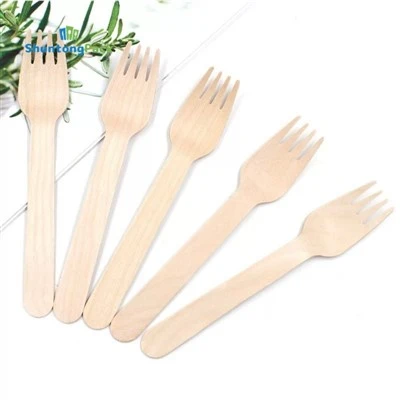
If you’re planning an outdoor event—whether it’s 10 people in your backyard or 10,000 at a festival—and you want to stop messing with flimsy paper or harmful plastic, hit us up to chat. We can hook you up with samples tailored to your event size, answer any questions you have about durability or composting, and make sure you’ve got everything you need to keep your event running smooth and green. No pressure, just real talk about what works for outdoor gatherings.
Wooden Cutlery References
- European Bioplastics. (2023). Bagasse-based food packaging: Performance and sustainability metrics.
- Journal of Environmental Management. (2022). Comparative analysis of plastic vs. sugarcane bagasse cutlery durability under outdoor temperature and moisture stress.
- U.S. Food and Drug Administration. (2021). Food-safe coatings for compostable food serviceware.
- National Park Service. (2023). Compostable waste management for outdoor event venues.
- Sustainable Packaging Coalition. (2022). Outdoor performance testing for plant-based food service products.
Mudanjiang Shuntong Environmental Protection Technology Co., Ltd.
Mudanjiang Shuntong Environmental Protection Technology Co., Ltd. is one of the most professional bagasse cutlery manufacturers and suppliers in China, featured by quality products and good price. Welcome to wholesale eco-friendly bagasse cutlery made in China here and get pricelist from our factory. Contact us for customized service and OEM service.
Address: Shop No.4, Building 1, Ruijing Huating, Hailin City, Mudanjiang City, Heilongjiang Province
E-mail: info03@ecojiaxun.com
WebSite: https://www.shuntongcutlery.com/
