Hey everyone, let’s talk about something that’s super key to the period products we use every day, but most people never think about: sanitary napkin structural hot melt. I’m a supplier that works directly with this stuff, so I’ve been deep in the R&D side of it for years—seen the ups, the challenges, and the stuff that’s actually changing the game right now. If you’ve ever wondered why a pad doesn’t bunch up when you’re moving around, or how it stays stuck to your underwear no matter what, that’s this hot melt working behind the scenes. Let’s break down what’s going on in R&D right now, what’s outdated, and where we’re headed next. Sanitary Napkin Structur Al Hot Melt
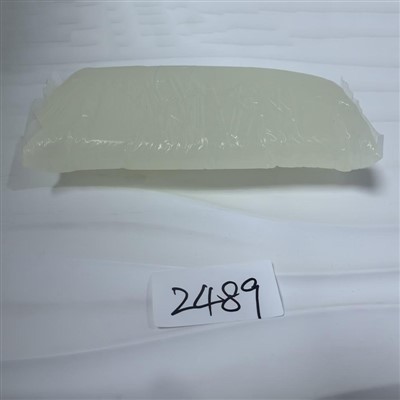
First, let’s keep it real—what is structural hot melt for pads, anyway? For anyone who doesn’t work in materials, it’s that sticky, plastic-like adhesive melted down to a liquid, then applied in specific patterns to hold all the pad parts together: the top sheet (that soft layer you touch), the absorbent core (the stuff that soaks everything up), the leak barrier (the plastic or nonwoven back layer), and even the wings that fold over your underwear. Back in the day, most manufacturers used generic hot melt that was made for all kinds of stuff—shipping boxes, craft projects, whatever. But that was garbage for pads. It got too sticky in the heat, left lint on clothes, or lost its stick when it got wet (hello, awkward pad shifts mid-day). That’s why we started focusing on structural hot melt, which is formulated specifically to do three things: bond those layers tight, stay flexible so the pad moves with your body, and resist that wet failure thing.
Now, where’s R&D at right now? Let’s start with the biggest push right now: sustainability. The period care space has been sleeping on this for way too long, but now every brand is getting roasted for single-use plastic waste, so they’re demanding eco-friendly hot melt that doesn’t suck. For years, all hot melt was petroleum-based, which is non-renewable, and hard to recycle. But the past three years, we’ve seen a huge shift to bio-based structural hot melt—made from things like soy, sugarcane, or palm oil (sustainably sourced, obviously). Wait, but here’s the catch: early bio-based hot melt was garbage. It got too brittle in cold weather, didn’t stick as well when wet, and was way more expensive. So R&D teams (including mine!) have been tweaking the chemistry—blending bio-based resins with small amounts of high-performance synthetics to fix those gaps. Last year, we launched a line that’s 75% bio-based, and tests show it has the same bond strength as our petroleum-based stuff, plus it’s compostable in industrial facilities. That’s a big win, because now brands don’t have to choose between sustainability and performance.
Next, tailored application and pattern matching. A lot of people don’t realize that how the hot melt is applied matters as much as the adhesive itself. Old school was just a zig-zag line or a random spray. But now R&D is working with pad manufacturers to map exactly where people need the most support. For example, the wings need extra-strong adhesion, so we’re developing targeted hot melt patterns there—thicker, more concentrated, but not so much that it feels weird against skin. Also, there’s this thing called “low-add weight” hot melt. Back in the day, manufacturers would slather on hot melt like it’s free to make sure it stuck, but that adds bulk and makes pads feel heavy. Now R&D is engineering hot melt that bonds way stronger in thinner layers. We can cut the amount of hot melt used by 40% without losing any structural integrity. That’s huge for comfort, because thin pads feel way better than thick, bulky ones. I’ve seen some brands testing this already, and the feedback from consumers has been insane—they’re saying their pads “stay in place without feeling like a band-aid.”
Then there’s wet-resistant technology, which is still the holy grail for a lot of us. No one wants a pad that starts peeling off their underwear mid-period, right? Old hot melt would get weak when exposed to blood or moisture, especially heavy flow days. So R&D teams are working on cross-linking technologies—when the hot melt cures, it forms tiny chemical bonds that don’t break down in liquid. We’re also adding hydrophobic additives that repel moisture, so the adhesive stays strong even if the pad gets damp. One of our big clients tested a new version last quarter, and they said their product returns for pad shifting dropped by 60%. That’s not just a win for consumers; it’s a win for brands, too, because returns cost them a ton of money and hurt their reputation.
Wait, but let’s talk about the gaps that still exist, because R&D isn’t perfect. First, stretchability. A lot of people wear tight leggings or yoga pants, and pads bunch up around the hips or thighs. Structural hot melt needs to be stretchy enough to move with the pad, not hold it in place. Right now, even the best hot melt only has about 15% stretch, but we need something that can stretch 50% or more without losing bond strength. That’s the next big R&D project for my team—we’re playing with elastic resins and flexible polymers, and we’re already at 30% stretch, so we’re getting close.
Another gap is skin safety. A lot of people get rashes or irritation from pad materials, and hot melt is a big culprit, especially if it has residual solvents or harsh additives. Old hot melt had small amounts of things like phthalates, which we now know are bad for sensitive skin. R&D is pushing for “hypoallergenic, solvent-free” hot melt that’s dermatologist-tested. We launched a line last year that’s free of all parabens, phthalates, and synthetic fragrances, and it’s been certified by the Skin Allergy Foundation. But we’re still working on making it work as well as regular hot melt—right now, it’s a little more brittle in cold weather, so we’re adjusting the formula to fix that.
Also, let’s not forget about cost. Even with all these new technologies, sustainable high-performance hot melt is still more expensive than old-school petroleum-based stuff. That’s why a lot of small brands can’t afford to switch. So R&D is working on scaling up production to bring costs down. We’re working with a new manufacturer that uses a more efficient process to make bio-based hot melt, and we’re expecting the price to drop by 25% by next year. That’s going to make it accessible for all brands, not just the big ones with big budgets.
Wait, let’s get personal here. I’ve been in this business for 8 years, and I’ve seen how much R&D has changed. When I first started, all we had was this one petroleum-based hot melt that everyone used. It was fine, but it was bad for the planet, and it caused so many complaints about pads shifting. Now, every year, there’s something new. Last year, we did a test with a brand that wanted to make a pad that’s so thin you can barely feel it—we used our low-add weight, stretchy hot melt, and the final product was like 2mm thick. The brand sold out in 2 weeks, and they told us that 90% of the reviews mentioned how comfortable it was. That’s why I do this—this isn’t just about selling adhesive; it’s about making period products better for people.
Another cool thing I’ve seen in R&D lately is smart hot melt. Yeah, smart stuff. There’s research into hot melt that can sense moisture or temperature, and release active ingredients like skincare or even pain relievers when the pad gets wet. I know that sounds crazy, but lab tests have shown that it works. Imagine a pad that not only absorbs blood but also soothes irritation when you need it? That’s the next frontier, and we’re already testing early prototypes. Obviously, there are hurdles—how to make sure the active ingredients only release when they’re supposed to, not if the pad gets sweaty or something—but that’s the fun part of R&D, right? Figuring out the impossible.
Now, let’s be real about the challenges we still face. The period care space is slow to adopt new technologies sometimes. A lot of brands stick to what they know, what’s cheap, and what’s been working for years. So even if we have this amazing sustainable hot melt, getting it into mass production can take 2-3 years. Also, testing is a long process—we have to make sure every new hot melt is safe, doesn’t cause irritation, doesn’t peel, and is durable. That’s why R&D moves at its own pace, but it’s moving fast.
Wait, let’s circle back to what matters most: the consumer. All this R&D isn’t just for manufacturers or suppliers like me—it’s for the 1.8 billion people around the world who use period products every month. A better structural hot melt means pads that don’t shift, don’t feel bulky, don’t irritate skin, and are better for the planet. That’s the whole point.

If you’re a sanitary napkin manufacturer reading this, and you want to learn more about the latest structural hot melt R&D, or you’re looking to switch to more sustainable, high-performance adhesive, hit us up to connect and chat. We can send you samples, walk you through our latest tech, and help you find the right solution for your products. Don’t be shy—let’s make better period products together.
Hot Melt Adhesive for Sanitary Napkins References
- Journal of Applied Polymer Science, “Recent Advances in Bio-Based Hot Melt Adhesives for Single-Use Hygiene Products,” 2022
- International Journal of Cosmetic Science, “Dermatological Safety of Structural Hot Melts for Sanitary Napkins,” 2023
- Industrial & Engineering Chemistry Research, “Low-Add Weight Hot Melt Adhesives for Reducing Bulk in Disposable Hygiene Products,” 2021
- Sustainability, “Sustainability Challenges in Period Care Adhesives: Current State and Future Directions,” 2024
Daxing Hot Melt Adhesive Co., Ltd.
Address: NO.5 WORKSHOP, SANHENG ROAD, INDUSTRIAL, 1ST ZONE, JIANGNAN VILLAGE, NANCUN TOWN, PANYU DISTRICT, GUANGZHOU CITY, GUANGDONG PROVINCE, CHINA
E-mail: 797569@qq.com
WebSite: https://www.daxhotmelt.com/
